Seared Lamb Chops and Bonus Chimichurri Sauce

Many people assume that because I am into nutrition, I am a vegetarian...not true at all! I love eating fish, poultry and meat.  I will even eat organ meat occasionally, so I am definitely not squeamish about being a carnivore. However, I am extremely picky about the source. I don't eat it often, because when I do, I shell out for organic, wild and free-range. It isn't cheap, but it is so worth it. Not only do I know that I am getting a great source of protein without hormones and harmful chemicals, but I am ensuring that the animals are treated in an ethical fashion.

Lately, my new favorite protein is lamb. Lamb is super high in tryptophan, which is a feel good amino acid. Tryptophan gives you that warm snugly feeling after a Thanksgiving meal. Lamb is also high in selenium, B12, B3, Zinc and Phosphorus. Good quality lamb gives you a healthy dose of protein and saturated fats, vital for overall wellness. The vitamins present in lamb are great for stabilizing blood sugar levels and improving metabolism. They are also important for cardiovascular health and your nervous system. I love this recipe because it is so easy to make, even for someone who has never cooked lamb before. Please make sure to buy good quality lamb!

Print Recipe
INGREDIENTS
  • 8 lamb chops, make sure the butcher has scraped down the bones so that the ribs are exposed
  • 2 tablespoons olive oil
  • 1 tablespoon herbes de Provence (or your favorite dried herbs)
  • 1 small clove of garlic, peeled and mashed
  • 2 tablespoons of butter
  • sea salt and pepper to taste

DIRECTIONS

Toss the lamb chops with the olive oil, herbes de Provence, sea salt and pepper.

Melt the butter in a sauté pan over medium high heat. Add the lamb chops and garlic cloves. Cook until well-browned on one side (see photo above), about 5 to 6 minutes. Turn the chops over and cook 2 to 3 minutes more. That's it! As always with meat, let it rest for a few minutes before you serve it.

My all time favorite accompaniment to lamb is this Chimichurri Sauce. Simply add the following ingredients* to a food processor and pulse until combined. Make up to a few days in advance to allow the flavors to blend:
  • 1/2 cup extra virgin olive oil
  • 1/3 cup red wine vinegar
  • 1/4 cup (packed) fresh cilantro
  • 1 cup (packed) fresh Italian parsley
  • 3 garlic cloves, peeled
  • 3/4 teaspoon dried crushed red pepper
  • 1/2 teaspoon sea salt
*You may choose to make some adjustments to the ingredients depending on what flavor profiles you like (for example, lemon juice instead of red wine vinegar). This sauce goes perfectly with halibut.

Bookmark and Share

Slow Cooked Beans

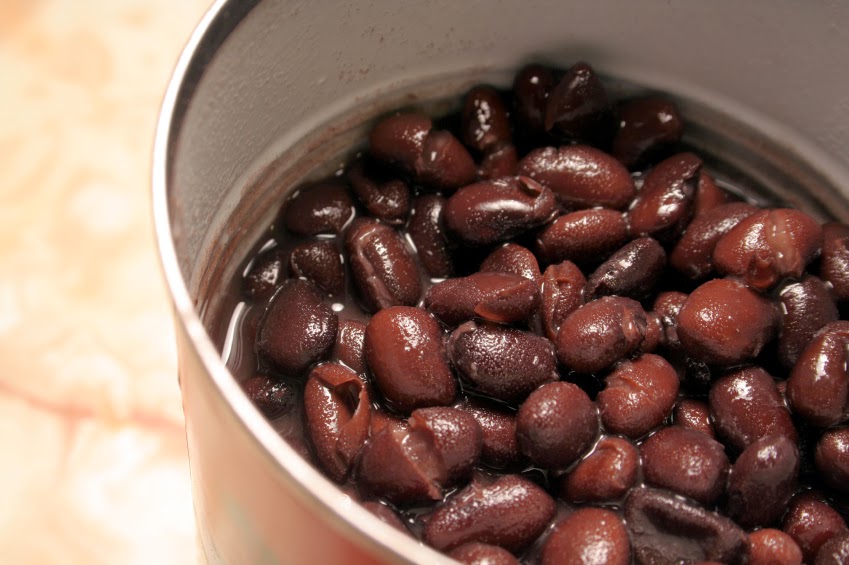
I am pretty sure the first thing I ever learned to cook was beans, thanks to my Dad who eats beans all the time. He would always cook large pots of beans, make homemade burritos with them and freeze the burritos to eat later for meals or snacks. He recognized that dried beans are much less expensive and healthier than the canned versions.

Beans are rich in minerals, B vitamins and cholesterol-lowering fiber, and when combined with grains, make an excellent and cheap protein. The high fiber content in beans is especially important for individuals with diabetes or hypoglycemia, as it prevents blood sugar levels from rising too rapidly after a meal. It is important to prepare them correctly, and with care, in order to avoid gastro-intestinal upset. This includes soaking them overnight to make them more digestible and skimming off the foam throughout the cooking process to neutralize the phytic acid (remember the post about phytic acid) and other enzyme inhibitors. I love cooking and eating all different types of beans, but an easy rule to remember regarding health is the darker the bean, the more nutritional value it holds.

Print Recipe
INGREDIENTS
  • 2 cups black beans
  • 2 tablespoons whey or lemon juice
  • sea salt to taste
  • 4 cloves garlic, peeled and smashed (optional)
  • 1 onion, peeled and quartered (optional)
  • 1 jalapeno, sliced in half (optional)
DIRECTIONS

Place beans in a pot and add warm filtered water and whey or lemon juice. Make sure that the beans are covered by at least two inches of water. Leave beans to soak overnight.

Drain and rinse the beans, and then cover with water. Bring to a boil and skim off the white foam that accumulates on the top of the beans. Reduce heat to simmer and add optional garlic, onion and jalapeno. Simmer covered for 4-8 hours, depending on the size of the beans. Check occasionally to ensure there is enough water in the pot. Add sea salt to taste once the beans are tender and continue cooking for at least 30 minutes.

Top your slow cooked black beans with cheese, avocado, homemade yogurt, scallions, and fresh chopped cilantro.

Bookmark and Share

Preserved Lemons

If you have ever had a conversation with me, you know I am obsessed with lemons and the idea of having a lemon tree in my yard! I love lemons. LOVE lemons. I like to squeeze a wedge into my water in the morning, grate zest into sauces, place slices on broiled fish, use the juice in a light salad dressing....you get the idea. And lately, as I have been experimenting with new flavor combinations and styles, I have noticed that more and more recipes call for Preserved Lemons. They are not cheap. I believe they retail for about $10 for a 16 oz jar, however they are so easy to make.

Lemons’ high nutritive content, especially ascorbic acid, helps to build the body's immune system and ward off infection. Its digestive qualities help to ease indigestion, colic and nausea. Compounds in lemons are believed to decrease cancer risk. Lemon cleans the kidneys, acts as a diuretic, purifies blood and controls bile. I think they are magical.

Many Moroccan and Middle Eastern recipes call for preserved lemons. They are used in tagines, soups and other dishes to provide wonderful lemon flavor. These preserved lemons are rich in lactic acid-producing bacteria, and, after the fermentation process is complete, both the flesh and rind of the lemon become edible. This recipe is simply lemons that have been pickled in salt and their own juices.

Print Recipe
INGREDIENTS
DIRECTIONS

Wash the lemons very well as you will be eating the rind. Place 2 tablespoons of salt at the bottom of a clean jar. Cut the tip that was attached to the tree off each lemon. Then, you are going to quarter the lemons, but without cutting all the way through them. So, cut the lemons as if you were going to cut them in half lengthwise, but leave about one-half to one inch of it connected at the base. Make another cut to quarter the lemon, but again, keep it attached at the base.

Open the lemon and sprinkle a tablespoon of salt inside. Firmly pack the lemon into the jar so that their
juice is extracted. Continue this process, adding a tablespoon layer of salt between each lemon. If you finish, and not a lot of juice has come out of the lemons, juice a few and add the juice to ensure the lemons are completely submerged. At this point, you can add the optional cinnamon or other spice, depending on what you want the flavor to be. Then add 2 tablespoons of salt to the top of the jar and secure the lid.

This can sit at room temperature for 3 weeks to a month. Turn the jar upside down every few days to ensure that the top lemons are submerged in lemon juice. Once the lemon rinds have softened, you can store them in the refrigerator for up to 6 months.

When you need a lemon for a recipe, make sure to give it a thorough rinse to remove the salt. Most
people discard the pulp and seeds, but if you like the pulp flavor, go ahead and use it.

Carrot Ginger Soup

The saying is, “Starve a Cold, Feed a Fever”. Well, this week I had both and did not find this phrase comforting. I didn’t have much of an appetite, but I knew that I needed lots of vitamins and fluids to strengthen my immune system and clear the virus. I tried to think of something comforting that was high in Vitamin A, Vitamin C and garlic. I ended up with Carrot Ginger Soup.

Carrots' antioxidant compounds boost the immune system, help protect against cardiovascular disease and cancer and promote good vision. They support lung health and are an important vegetable for individuals often exposed to cigarette smoke. Carrots are an excellent source of vitamin A and a very good source of vitamin C, vitamin K, dietary fiber and potassium. Ginger is a wonderful digestive aid as it greatly soothes the intestines and decreases nausea and vomiting. It is a potent anti-inflammatory that reduces pain and improves mobility in those with osteoarthritis or rheumatoid arthritis. Ginger has antioxidant, anti-inflammatory and anti-tumor effects on cells, which makes it an important food in the prevention of cancer.

I could write a book about the amazing healing powers of garlic. For now, I will only mention that the sulfur-containing compounds in garlic, as well as onions, are powerful antibacterial and antiviral agents that join forces with vitamin C to help kill harmful microbes. They are incredibly effective against common infections like colds, flu and stomach viruses.

Print Recipe
INGREDIENTS
  • 1½ cups washed, peeled and chopped carrots
  • 3 cloves minced garlic
  • 4 tablespoons of minced fresh ginger
  • 1 diced medium onion
  • 2 tablespoons olive oil
  • 3 cups vegetable or chicken broth
  • ¼ cup orange juice
  • sea salt and pepper to taste
  • optional freshly snipped chives
DIRECTIONS

Heat olive oil over medium heat in the bottom of a stockpot. Add onions and cook until soft, but do not brown. Add ginger and garlic and cook until soft and fragrant, about 2-3 minutes.

Add carrots, broth and orange juice. Bring to a boil, then reduce heat and simmer about 20-30 minutes, until carrots are very tender. I used an immersion blender to puree the soup, but if you do not have one, puree in batches in a blender. I like a chunkier soup, although if you have a sore throat, you might want it as pureed as possible.

You can thin this soup with additional broth as needed. Season to taste with sea salt and garnish with fresh snipped chives.

Lacto-fermented Lemon Cucumbers

Cultures around the world have always eaten lacto-fermented vegetables, such as sauerkraut, pickles, kimchi, chutneys and relishes. Unfortunately, the proper pickling process has been lost, and along with that, so have the numerous health benefits that go along with it. These days, cucumbers and vinegar are put in a jar, along with preservatives, and called pickles. This process does not do justice to the health benefits of our grandparents' pickles, sauerkraut and other preserved vegetables.

Lacto-fermented vegetables are a way of pickling or preserving vegetables that encourages the proliferation of lactobacilli. This process increases the levels of vitamins and minerals that can be absorbed from the vegetables, while also making them easier to digest. The lactic acid that is produced through the process I will describe below increases the growth of healthy flora in the stomach, leading to remarkably better digestion. Many enzymes and substances that have antibiotic, antiviral and anticarcinogenic substances are produced as well. It is also the prefect preservative to keep your vegetables fresh and delicious.

1 tablespoon, or the equivalent, should be eaten with every meal for those with severely upset stomachs. Others with properly functioning digestive systems will find that eating a tablespoon once a day or a few times a week is enough to see numerous health benefits. In addition to the digestive enhancements mentioned earlier, studies show that eating lacto-fermented foods lowers asthma symptoms, improves skin problems, boosts the immune system and promotes vitality and overall increased wellness.

I chose to use lemon cucumbers for this recipe because my mom brought them from her garden, and I just love them! Don't be fooled by the name--they are a sweet variety of cucumber and only look like a lemon.

Print Recipe
INGREDIENTS
  • 8-10 lemon cucumbers
  • 1 tablespoon mustard seed
  • 2 tablespoons dill
  • 1 tablespoon sea salt
  • 4 tablespoons whey (another great time to use your homemade whey!) or an extra tablespoon of sea salt can be substituted
  • filtered water
  • You will need a quart size mason jar
DIRECTIONS

Wash cucumbers and cut them into quarters or eighths. Place them in the jar along with the mustard seed, dill, sea salt and whey. Pour water in the jar until it reaches one inch below the top. Put the lid on tightly and store at room temperature for 2 days. After that, store in the refrigerator. Do not be concerned if you see tiny bubbles formed; that is part of the process. Eat as a condiment with meat, fish, grains or legumes.